Most drivers do not think about car repair until something feels off. A noise appears, a light comes on on the dashboard, or the car starts acting differently during a normal drive. That is when questions start stacking up, and many of them are the same across different vehicles.
Knowing the answers ahead of time helps you react faster and make better decisions. It also makes it easier to separate minor concerns from problems that need immediate attention.
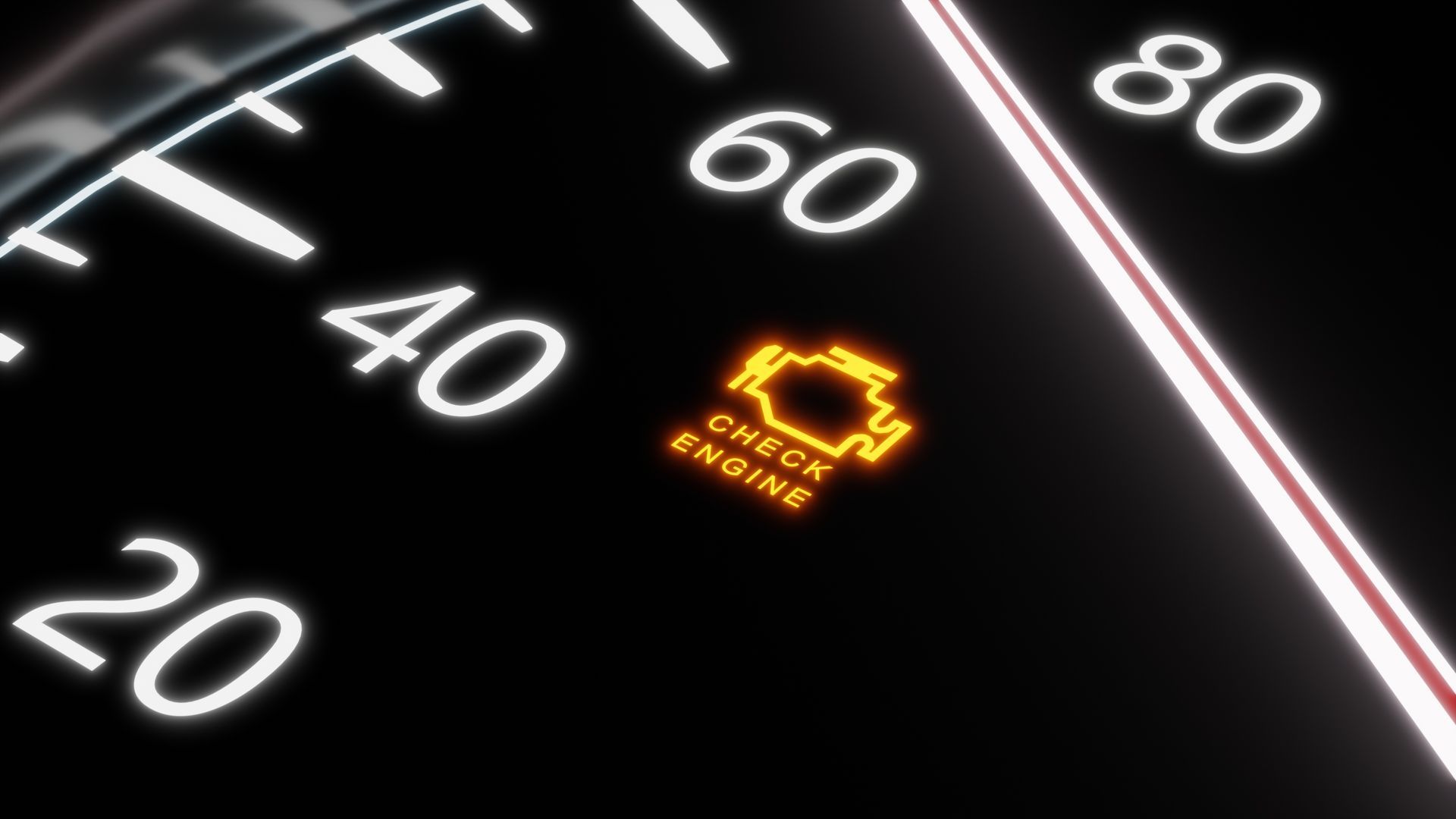
1. What Does A Check Engine Light Really Mean?
A check engine light means the system has detected a fault, but it does not always mean something severe. A steady light usually points to a stored issue that should be checked soon.
A flashing light is more urgent and often tied to an active misfire. That kind of condition can quickly damage the catalytic converter, so it is best not to keep driving.
2. Why Does My Car Make Noise When Braking?
Brake noise can come from several causes. A squealing sound often means the brake pads are worn and need replacement soon.
Grinding is more serious and can mean the pads are already worn through. At that point, the metal components are in contact and cause damage that spreads quickly.
3. How Often Should I Change My Oil?
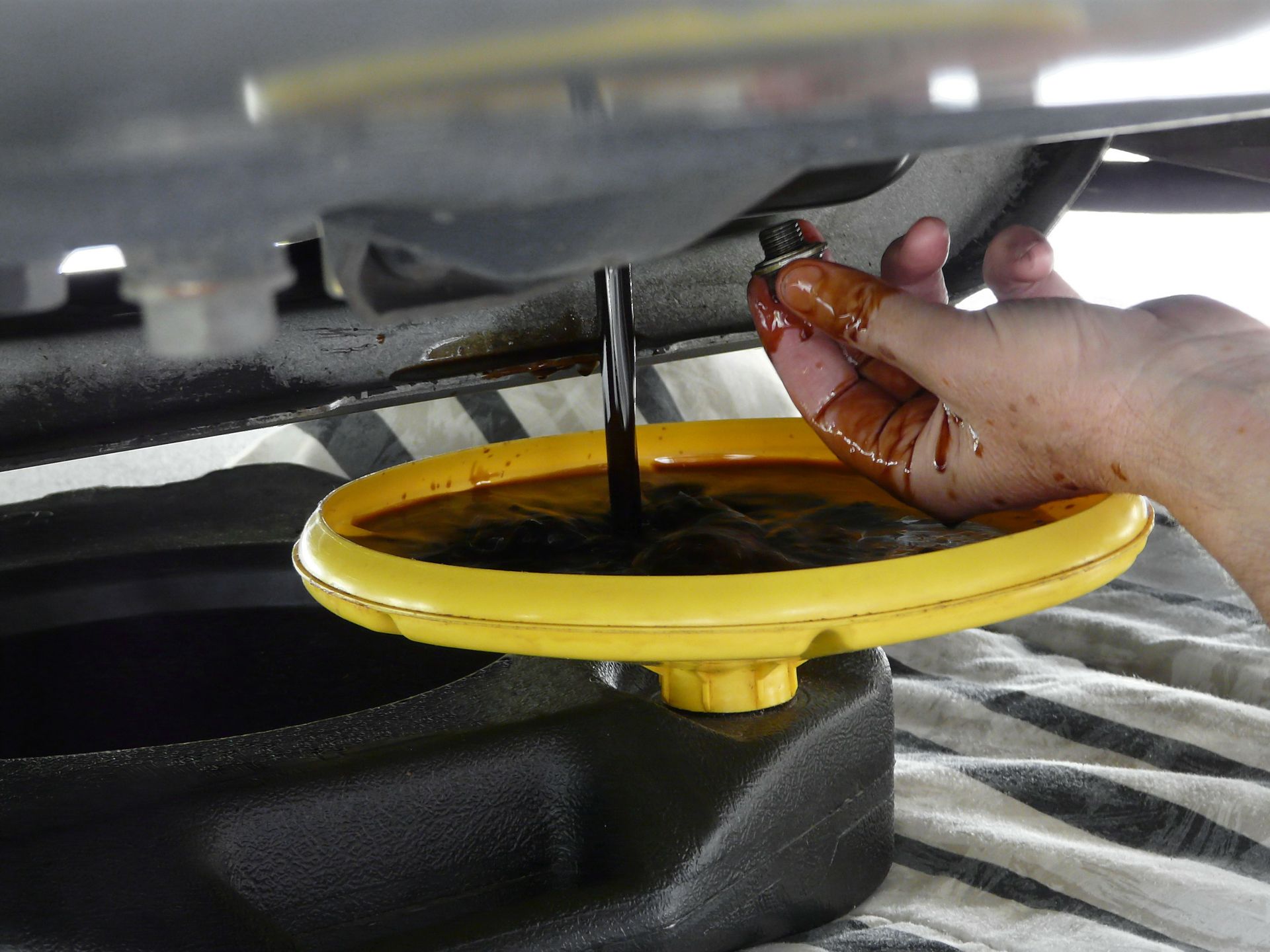
Oil change intervals depend on the vehicle, oil type, and driving habits. Most vehicles need an oil change every 5000 to 7500 miles or every year. Short trips, heavy traffic, and heat can shorten oil's lifespan.
Waiting too long allows oil to break down, which increases engine wear. Regular maintenance helps keep internal parts protected and reduces long-term problems.
4. Why Is My Car Losing Fuel Efficiency?
Fuel economy can drop when the engine is not operating efficiently. Dirty air filters, worn spark plugs, or sensor issues can all cause the engine to use more fuel.
Drivers may not notice anything dramatic at first. Over time, the drop becomes clear as the car needs fuel more frequently.
5. What Causes My Steering Wheel To Shake?
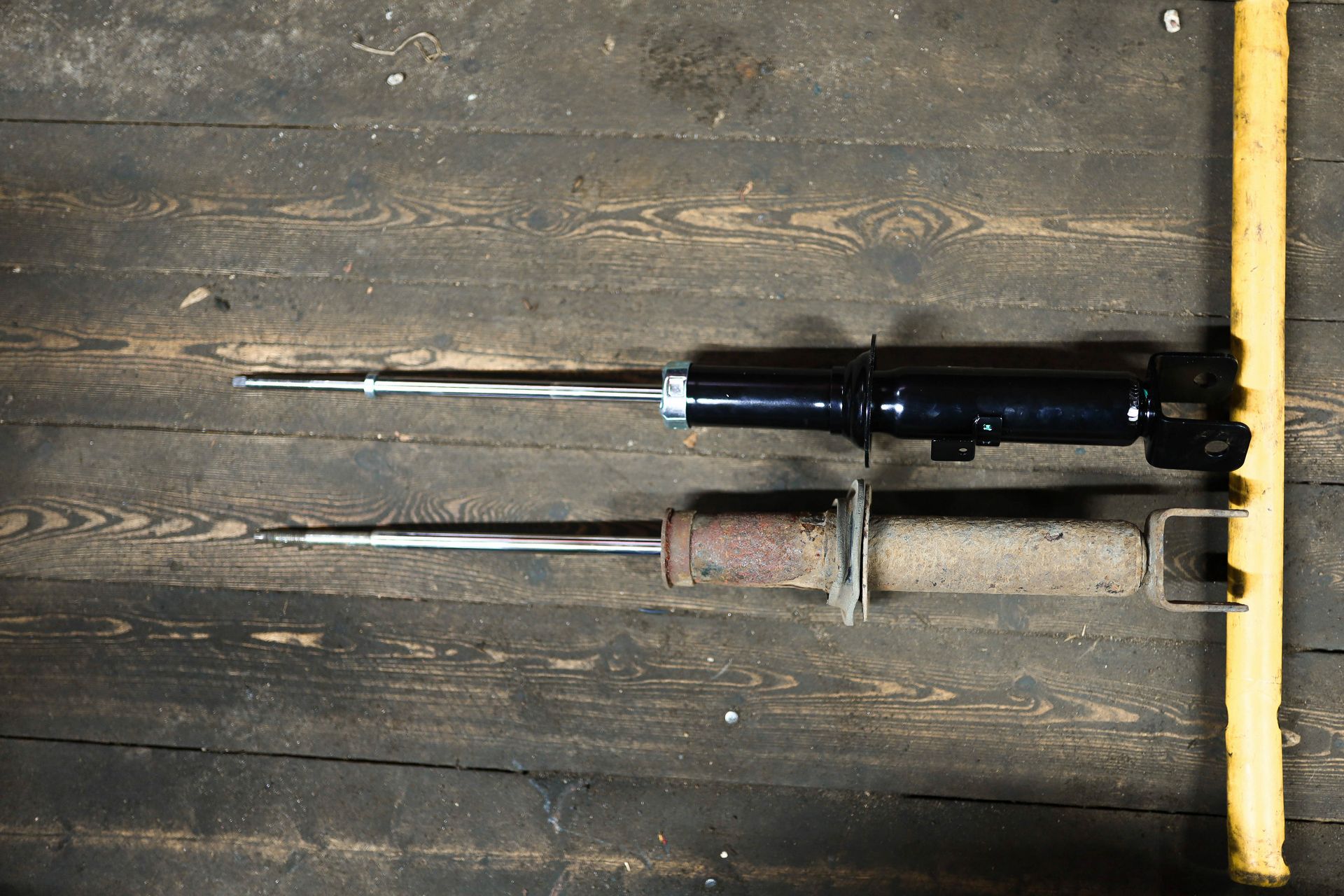
A shaking steering wheel is often caused by tire imbalance or uneven tire wear. It can also come from suspension or steering components starting to wear out.
If the vibration occurs during braking, it may be related to the condition of the brake rotor. A proper inspection helps narrow down the exact cause.
6. Why Is There A Fluid Leak Under My Car?
Not all leaks are serious, but some should not be ignored. Water from the A/C system is normal, especially in warm weather.
Oil, coolant, or transmission fluid leaks point to a problem that needs attention. Identifying the fluid type helps determine the urgency of the repair.
7. What Does It Mean If My Car Is Overheating?
Overheating usually means the cooling system is not doing its job. Low coolant, leaks, or failing components can all cause the temperature to rise.
Driving while overheating increases the risk of engine damage. It is better to stop and have the system inspected before continuing.
8. Why Does My Car Idle Rough?
A rough idle can come from ignition issues, air intake problems, or fuel delivery concerns. Spark plugs and coils are common starting points.
The engine may still run, but uneven operation suggests something is not working correctly. Early attention helps prevent further wear.
9. When Should I Replace My Brake Pads?
Brake pads should be replaced before they wear down completely. Squealing sounds, reduced braking response, or visible wear are all signs.
Waiting too long can damage the rotors and increase repair costs. A quick inspection confirms how much life is left.
10. Why Does My Transmission Shift Hard Or Delay?
Hard or delayed shifting can come from fluid condition, internal wear, or control issues. The problem may feel minor at first, but it can grow quickly.
Transmission issues become more expensive the longer they are delayed. Checking fluid condition and system performance early helps limit damage.
11. What Causes A Burning Smell While Driving?
Different smells point to different issues. A burnt oil smell can suggest a leak contacting hot engine parts.
A sweet smell may indicate coolant loss. Any unusual smell is worth checking, as it often signals a leak or overheating.
12. Why Is My Car Making A Clicking Sound When Turning?
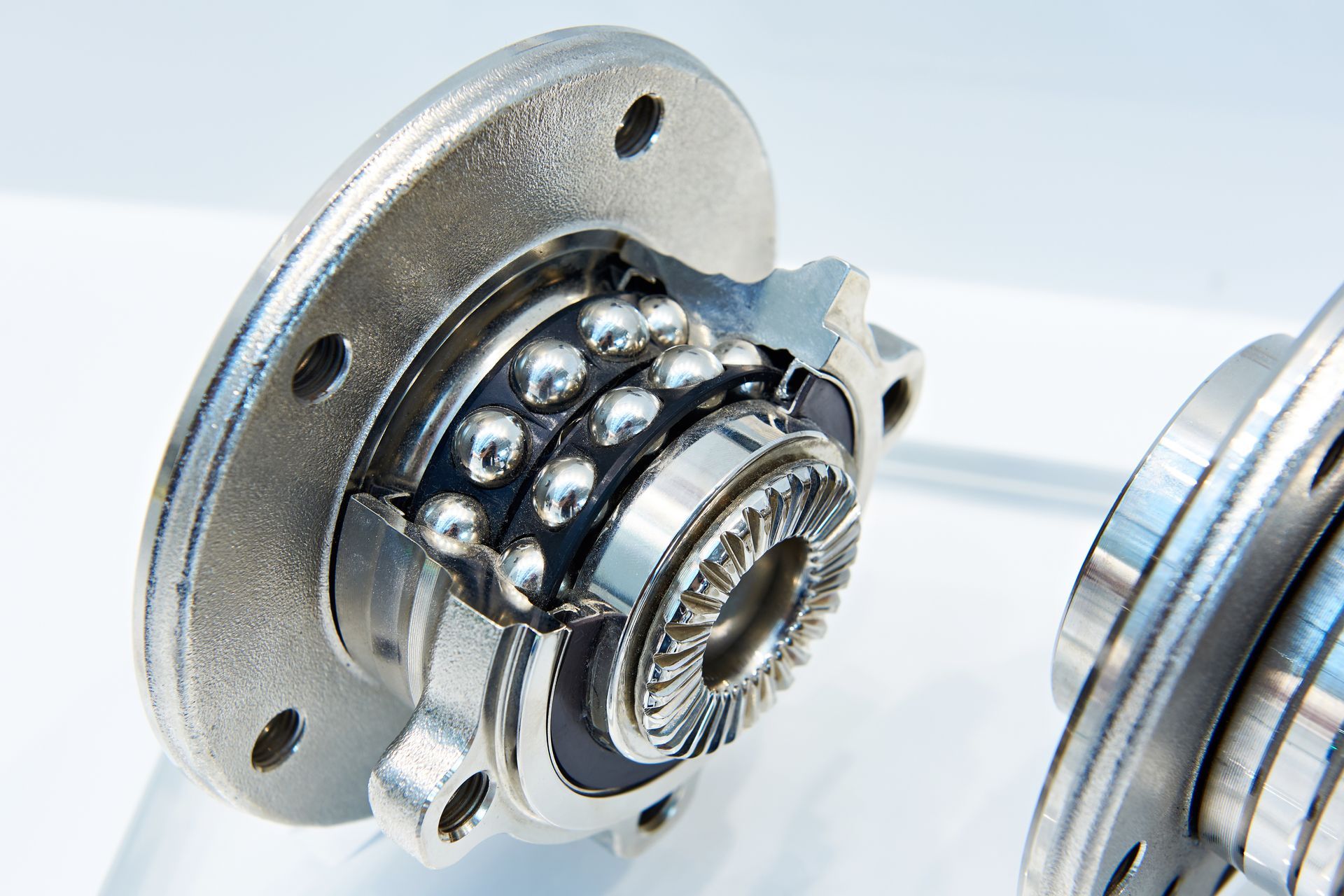
Clicking during turns often points to a worn CV joint. This part allows the axle to move while transferring power.
The noise may start small, but it usually gets worse over time. Replacing the affected component early helps avoid further drivetrain issues.
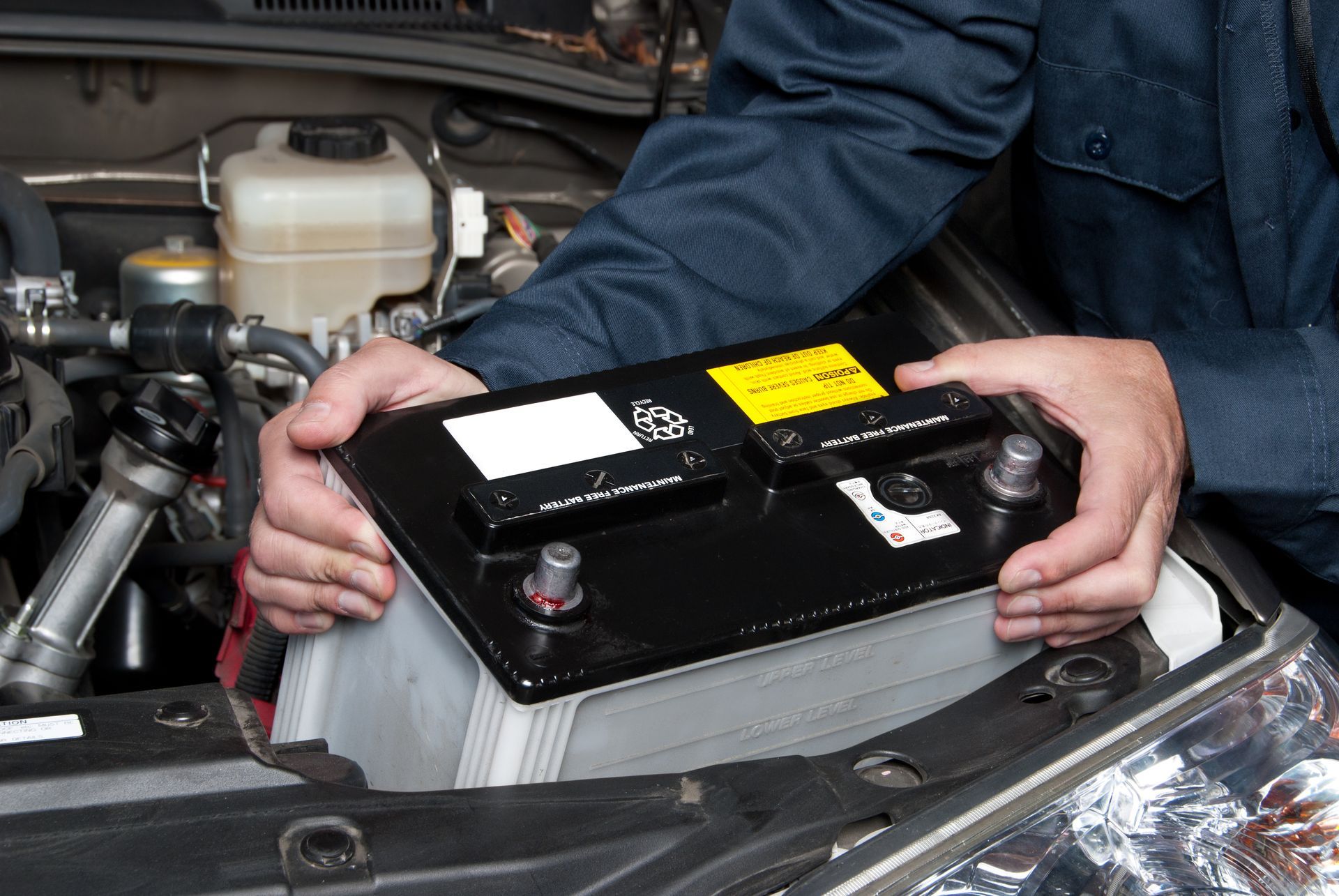
13. What Does It Mean If My Battery Keeps Dying?
A weak battery can cause repeated starting problems, but the issue may not always be the battery itself.
Charging system problems, poor connections, or electrical faults can also drain the battery. Testing the system helps find the actual cause.
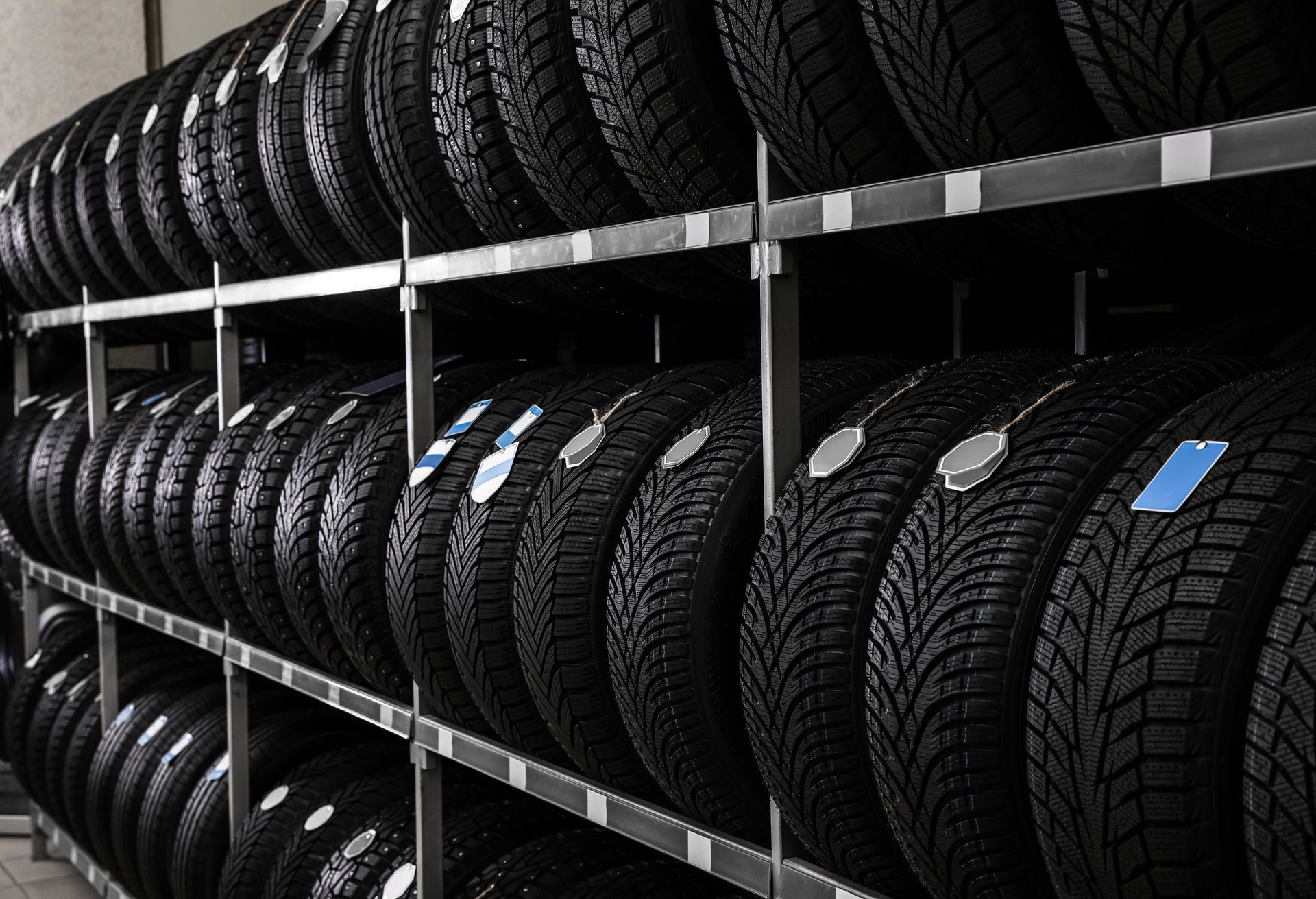
14. Why Do My Tires Wear Unevenly?
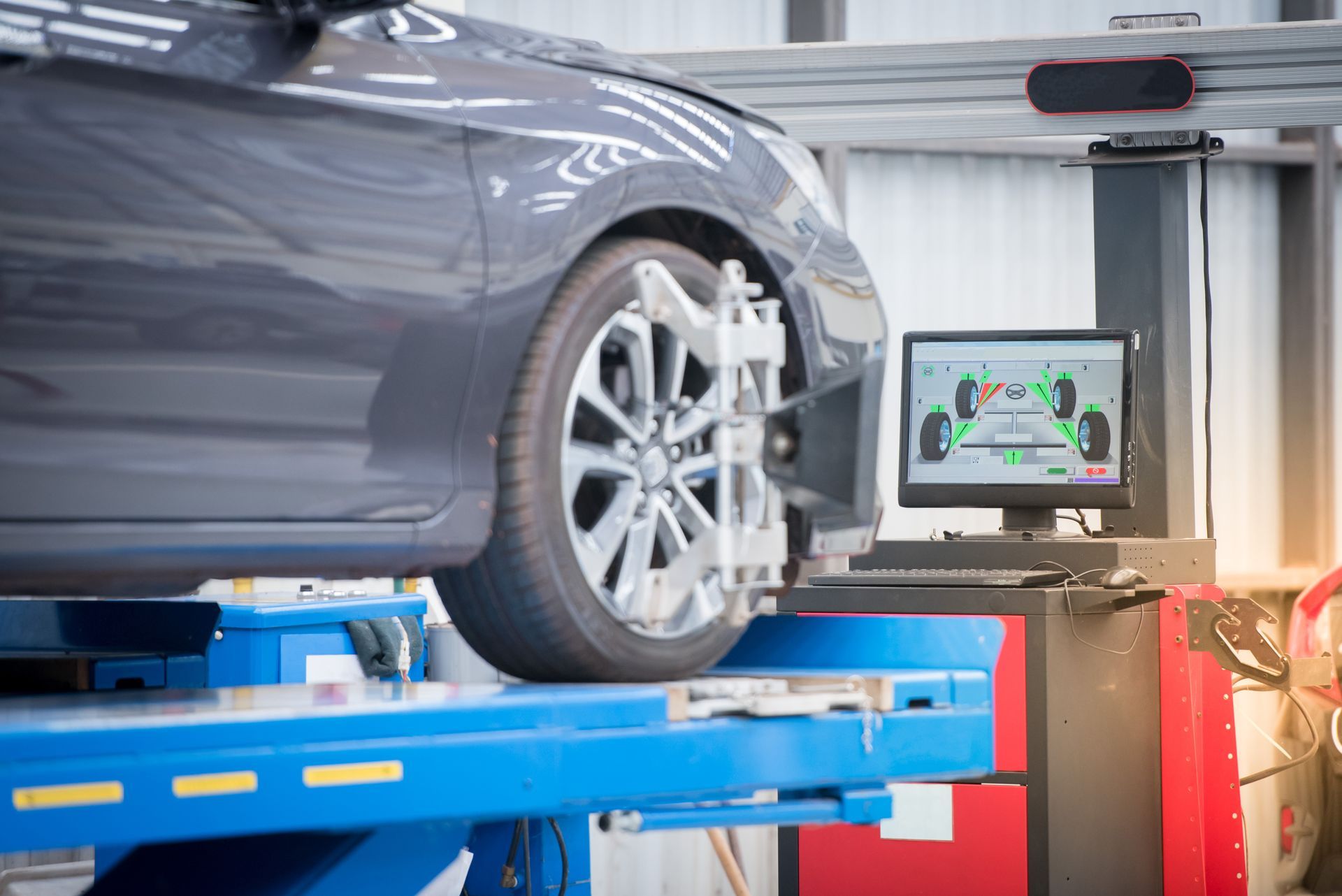
Uneven tire wear points to alignment or suspension problems. It can also be caused by incorrect tire pressure.
Ignoring the pattern leads to shorter tire life and reduced handling. An inspection helps correct the cause and prevent it from returning.
15. When Should I Have My Car Inspected?
A car should be inspected whenever something changes. New noises, warning lights, or changes in performance all deserve attention.
Regular maintenance inspections also help catch issues before they become obvious. That approach keeps repairs smaller and more predictable.
Get Auto Repair In New Port Richey, FL, With Precision Tires & Auto
If your car has been showing signs like warning lights, strange noises, or changes in performance, Precision Tires & Auto in New Port Richey, FL, can perform a full inspection and answer your questions clearly.
Bring it in early so you can address concerns before they turn into larger repairs.