Tire advice online can get messy fast because one person is talking about wear, another is talking about ride comfort, and someone else is troubleshooting a vibration that is actually a bent wheel. This page is meant to be quick and usable, with short answers you can scan and come back to when something changes.
If you are seeing uneven wear or your car feels different on the road, an inspection is the fastest way to stop guessing.
What Does My Tire Size Mean?
It lists width, sidewall height ratio, and wheel diameter, plus load and speed ratings. Match the size and ratings to your vehicle placard, not just what seems close.
Is The Sidewall PSI Number My Correct Tire Pressure?
No, that number is the tire’s maximum rated pressure. Use the recommended pressure on the driver door placard for normal driving.
How Often Should I Check Tire Pressure?
About once a month, and before long trips. Check pressure when the tires are cold for the most accurate reading.
Why Does One Tire Keep Losing Air?
Common causes include a nail, a leaking valve stem, bead sealing issues, or a slightly bent wheel. If you top it off often, it should be checked rather than repeatedly refilled.
Can I Drive With A Sidewall Bubble?
No, a bubble means internal damage and the tire is not safe. Replace it as soon as possible.
When Should Tires Be Rotated?
Many vehicles do well around every 5,000 to 7,500 miles or with every oil change. If wear looks uneven, rotate sooner and consider an alignment check.
What Causes Uneven Tire Wear?
Misalignment, worn suspension parts, incorrect pressure, and skipped rotations are the usual culprits. The wear pattern often points to the cause, which is why regular maintenance matters.
What Does Inside Edge Wear Usually Mean?
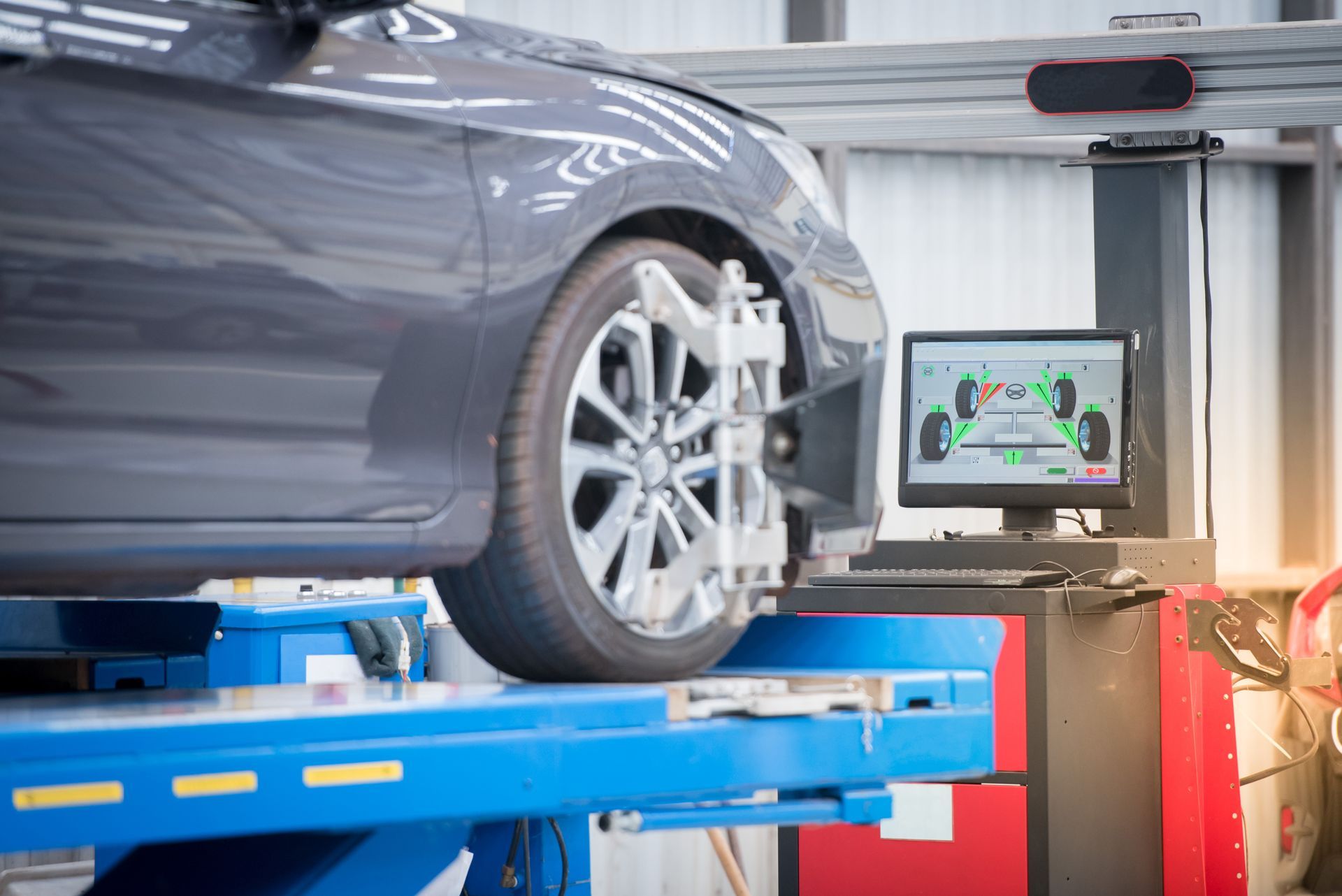
Inside edge wear often points to alignment angle issues or worn suspension components. Rotations alone rarely fix it because the tire is being scrubbed as you drive.
Why Does My Steering Wheel Shake At Highway Speeds?
Most often it is wheel balance, a bent wheel, or a tire that is out of round. It can also be caused by a tire that was damaged by a pothole.
Why Does My Car Pull To One Side?
Low pressure on one side, a tire that naturally pulls, alignment drift, or brake drag can all cause it. Start by checking tire pressure cold, then move to alignment and brake checks.
Are All-Season, All-Weather, And Winter Tires The Same?
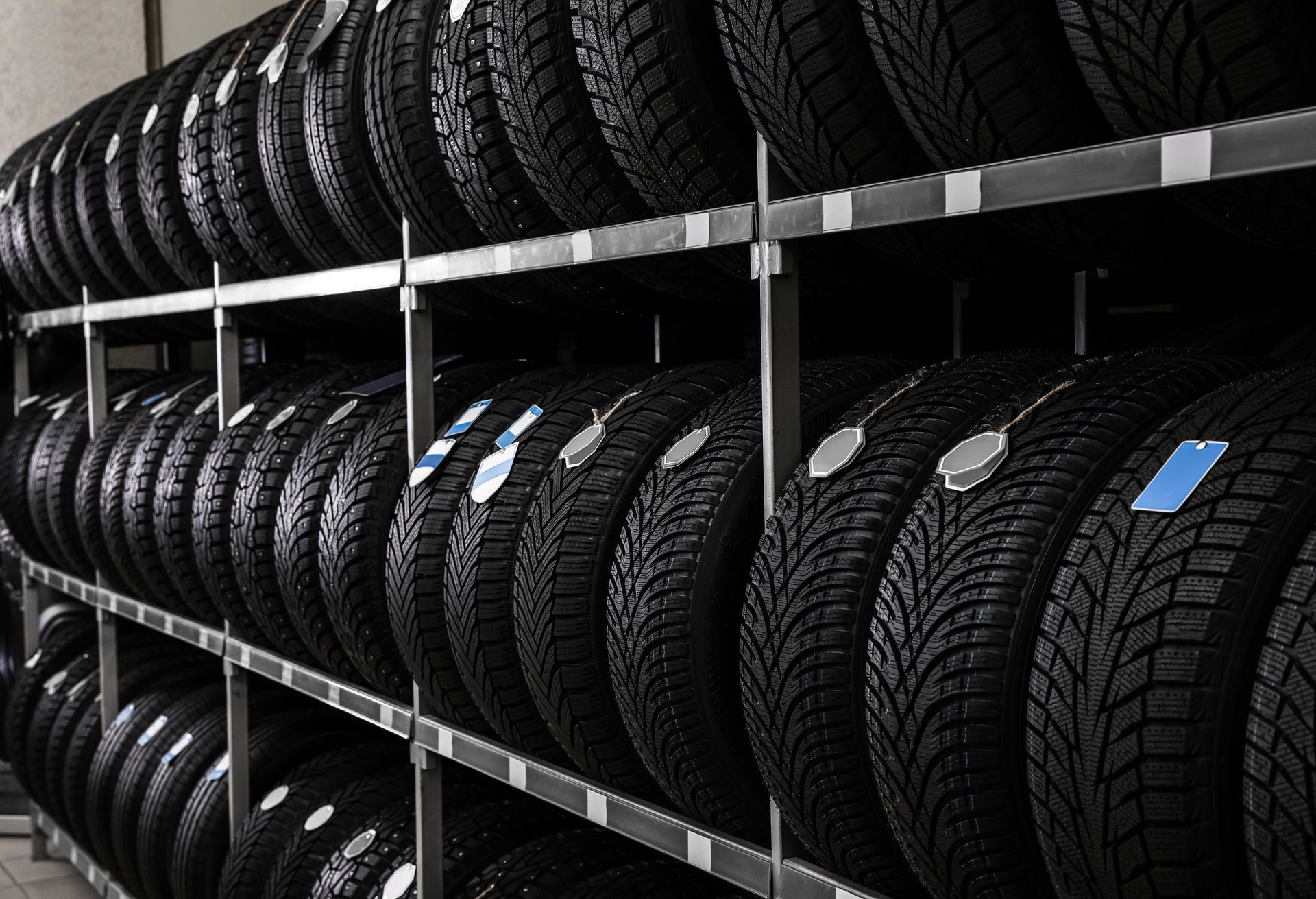
No, they are built for different temperature and traction priorities. Winter tires are for cold and snow grip, all-weather tires bridge the gap, and all-season tires are a general compromise.
Can A Punctured Tire Be Repaired?
Most of the time - Yes, if the puncture is in the tread area and not too large. Sidewall punctures require replacement.
Is A Plug Repair Enough?
A proper long-term repair is done from the inside with a patch or patch-plug style repair. A plug alone is not the best choice for durability.
Should I Replace One Tire Or Two?
Replacing two on the same axle is better for consistent handling and braking. Most AWD vehicles need tighter matching and a full set of four matching tires, so it depends on the vehicle.
How Do I Know If Tires Are Too Old Even If the Tread Looks Fine?
Rubber hardens with age, which can reduce wet traction and braking confidence. Check the tire date code and watch for cracking, vibration, or a noticeable drop in grip.
Get Tire Service In New Port Richey, FL, With Precision Tires & Auto
Precision Tires & Auto in New Port Richey, FL, can check your tires, explain what the wear patterns are telling you, and help you choose the right repair or replacement.
Schedule a visit and get clear answers before the problem gets louder.