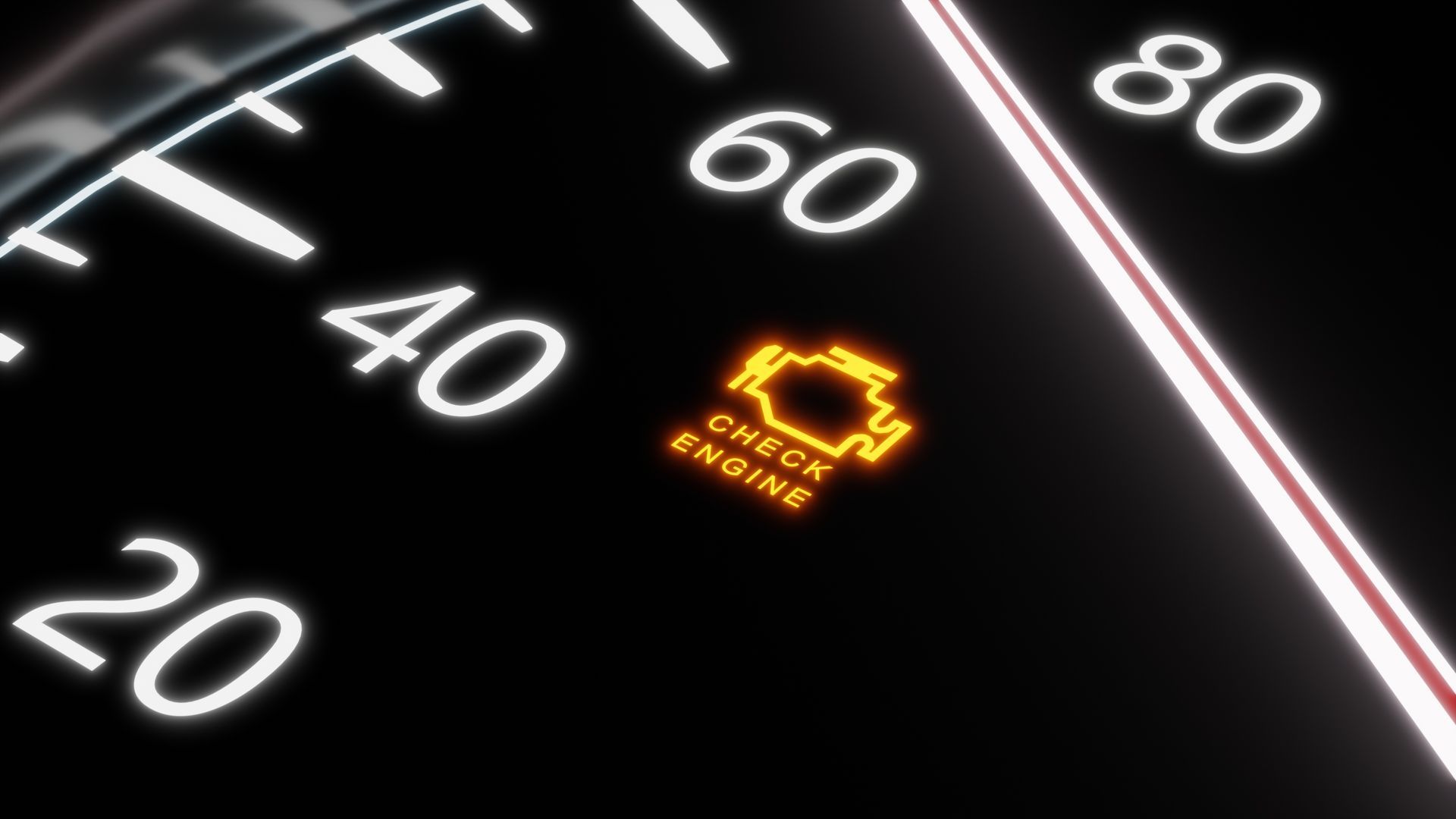
A repeat vehicle problem is frustrating because it feels like the repair never really ended. The warning light comes back, the noise returns, the leak shows up again, or the car starts acting the same way it did before the last visit. At that point, drivers start wondering whether the first repair missed something.
Precision auto repair is about slowing down enough to find the real cause, not just the most obvious symptom. When repairs start with better testing and a clearer process, the vehicle has a much better chance of staying fixed.
The Symptom Is Not Always The Cause
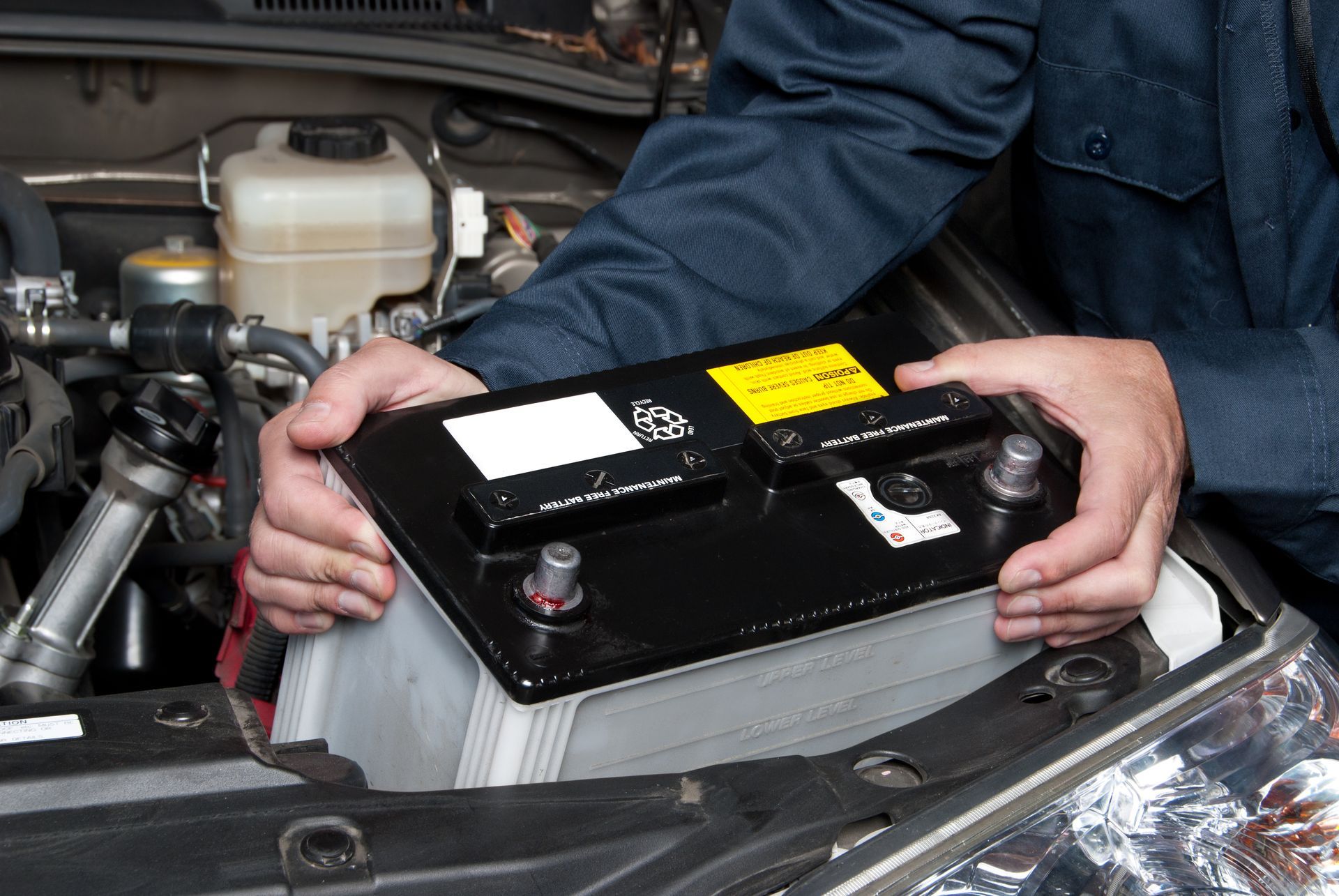
A car can point you in one direction while the real problem sits somewhere else. A vibration might feel like a tire issue, but it could come from worn suspension parts. A dead battery might be blamed first, even though the alternator or a parasitic draw is causing the battery to drain.
That is why our technicians do not stop at the first clue. The first symptom gives us a starting point, but the repair needs to answer why the symptom happened. If that part is skipped, the same issue can recur and leave the driver feeling like nothing was really solved.
Testing Helps Prevent Parts From Being Replaced Too Quickly
Modern vehicles can store trouble codes, data, and history that help narrow down the problem. Still, a code does not always name the failed part. It points toward the system that noticed something wrong. That difference matters.
For example, an oxygen sensor code can come from a bad sensor, a vacuum leak, an exhaust leak, a misfire, or a fuel control issue. Replacing the sensor without checking the rest of the system can lead to a repeat warning light. Precision repair uses the code as a clue, then confirms the cause through testing.
Small Details Can Change The Repair
Repeat problems are sometimes caused by details that were easy to miss the first time. A loose ground, corroded connector, weak hose clamp, worn mount, low fluid level, or slightly dragging brake part can all create symptoms that look larger than they are.
That is where a careful inspection helps. We look for patterns, not just broken parts. Fluid condition, tire wear, heat marks, scan data, leak trails, and the way the vehicle behaves during a road test can all tell part of the story.
Service History Gives Important Context
A vehicle with a clear service history is easier to repair accurately. If the spark plugs were replaced recently, that changes how an ignition problem is approached. If the transmission fluid has never been serviced, a shifting complaint warrants greater caution. If the battery is new but keeps dying, the charging system and electrical draw need attention.
Service history also helps spot repeat patterns. A leak in the same area, a warning light that returns under the same driving conditions, or a tire that keeps wearing on one edge all point to an issue that has not been fully corrected.
Quality Parts And Proper Procedures Count
Even when the diagnosis is right, the repair can still fail if the wrong part or method is used. Some vehicles need specific fluids, torque procedures, relearns, programming, filters, or replacement parts that meet the correct standards. A part that fits is not always the best part for the job.
That applies to everything from brake components to sensors, batteries, ignition coils, and fluids. Precision auto repair is not only about finding the issue. It is also about installing the right part the right way so the repair has a better chance of lasting.
Road Testing Helps Confirm The Fix
Some problems only show up under certain conditions. A vibration may happen at highway speed. A misfire may show up under load. A brake pull may only appear after the system has heated up. A shifting concern may happen after the vehicle has been driven for a while.
That is why a road test can be just as important as the repair itself. One of our technicians can confirm whether the symptom is gone and whether the vehicle feels right after the work is complete. That extra step helps catch issues before the car is returned to the driver, with the same complaint still hiding in the background.
Regular Maintenance Reduces Repeat Repairs
Repeat vehicle issues are not always caused by poor repair work. Sometimes they come from several overdue maintenance items piling up at the same time. Old spark plugs, weak batteries, dirty filters, low fluids, worn tires, and neglected brake parts can create a chain of symptoms that seem unrelated.
Regular maintenance keeps those basics from turning into repeat visits. It gives the shop a chance to catch wear early, explain what is urgent, and help drivers plan service before the vehicle starts creating bigger problems.
Get Precision Auto Repair In New Port Richey, FL, With Precision Tires & Auto
If your car keeps having the same issue or you want a repair process that looks past the obvious symptom, Precision Tires & Auto in New Port Richey, FL, can inspect the vehicle and find the cause.