Suspension wear rarely shows up all at once. One part gets loose, then another takes on extra stress, and before long, the vehicle feels completely different from how it used to. The ride gets harsher, the steering feels less precise, or the tires start wearing in a pattern that does not look normal.
That is why suspension problems should not be treated like simple noise complaints. The suspension keeps the tires planted, helps the vehicle stay controlled, and supports safe braking and steering. When parts start wearing out one by one, the whole vehicle begins to lose its stable feel, which drivers depend on.
What The Suspension Is Trying To Control
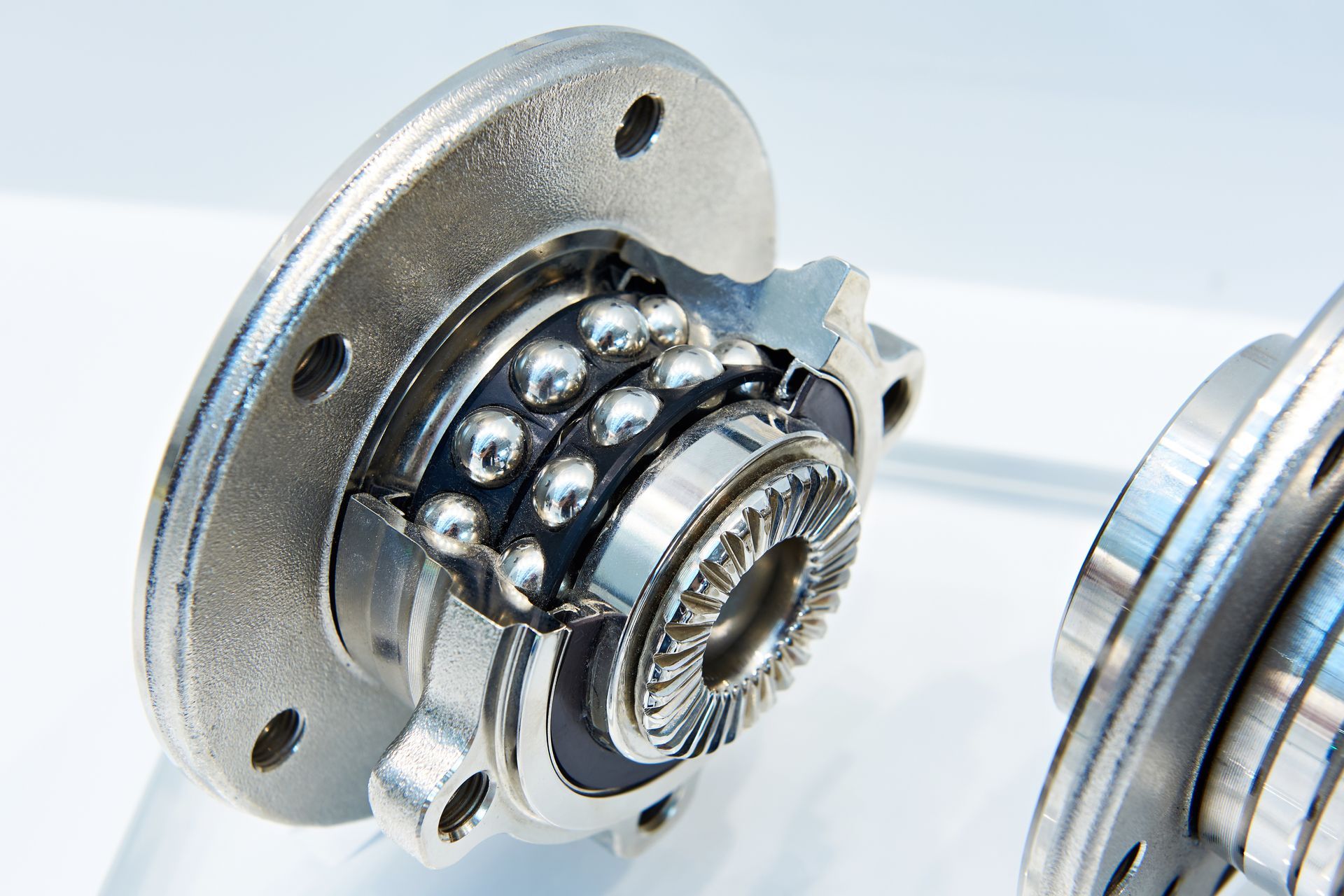
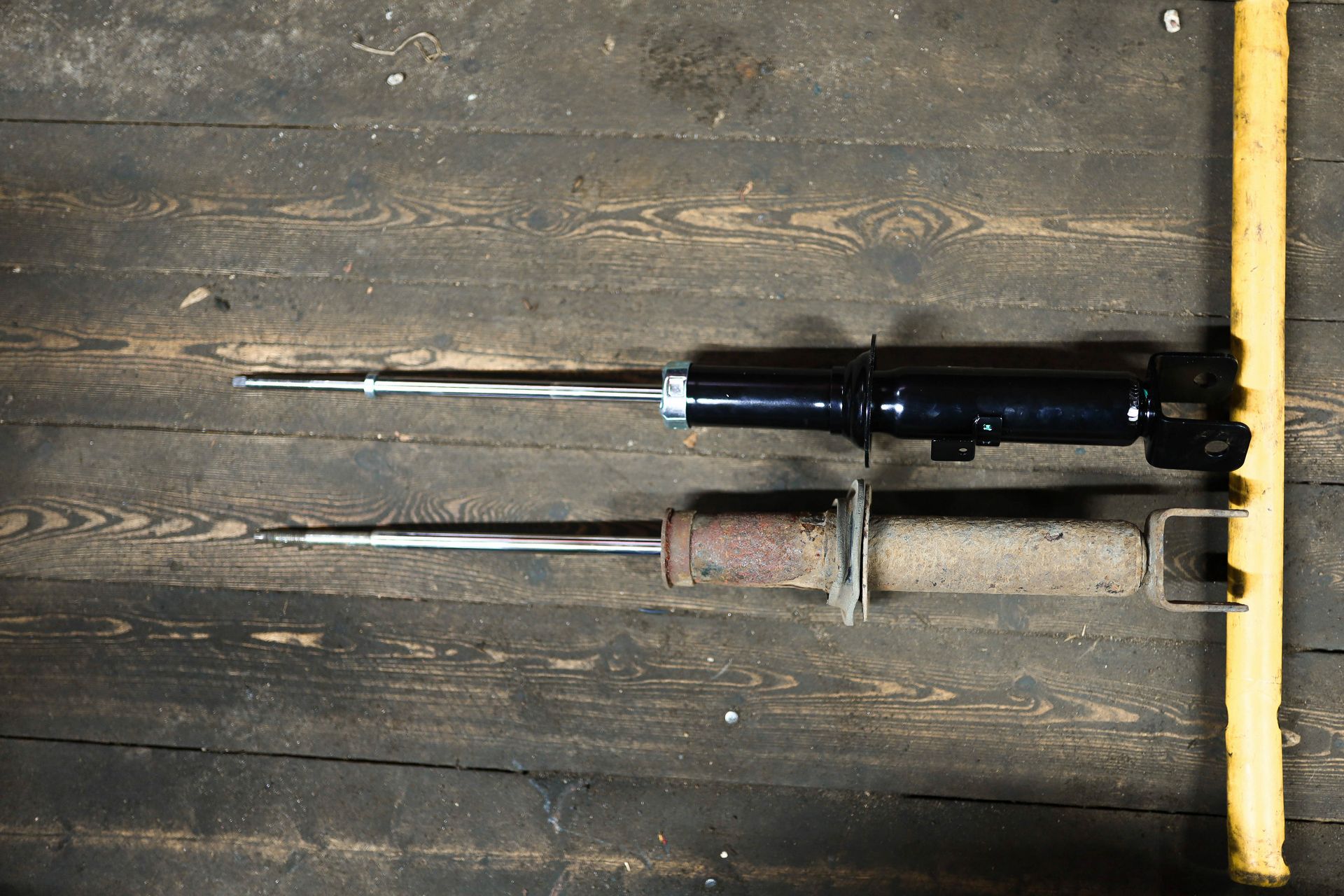
Your suspension system does more than absorb bumps. It helps control weight transfer, tire contact, steering response, braking stability, and ride height. Shocks, struts, springs, control arms, bushings, ball joints, sway bar links, and steering parts all work together to keep the vehicle steady.
When everything is tight and working correctly, the car feels predictable. It settles after bumps, tracks straight, and responds cleanly to turns and brakes. Once one part starts wearing, that control begins to fade. The change may be small at first, but it usually grows as nearby parts pick up the extra movement.
One Worn Part Changes How The Car Sits
A worn spring, weak strut, damaged bushing, or sagging suspension part can change the way the vehicle sits. One corner may look slightly lower, the front end may dip more during braking, or the rear may feel less controlled when the vehicle is loaded.
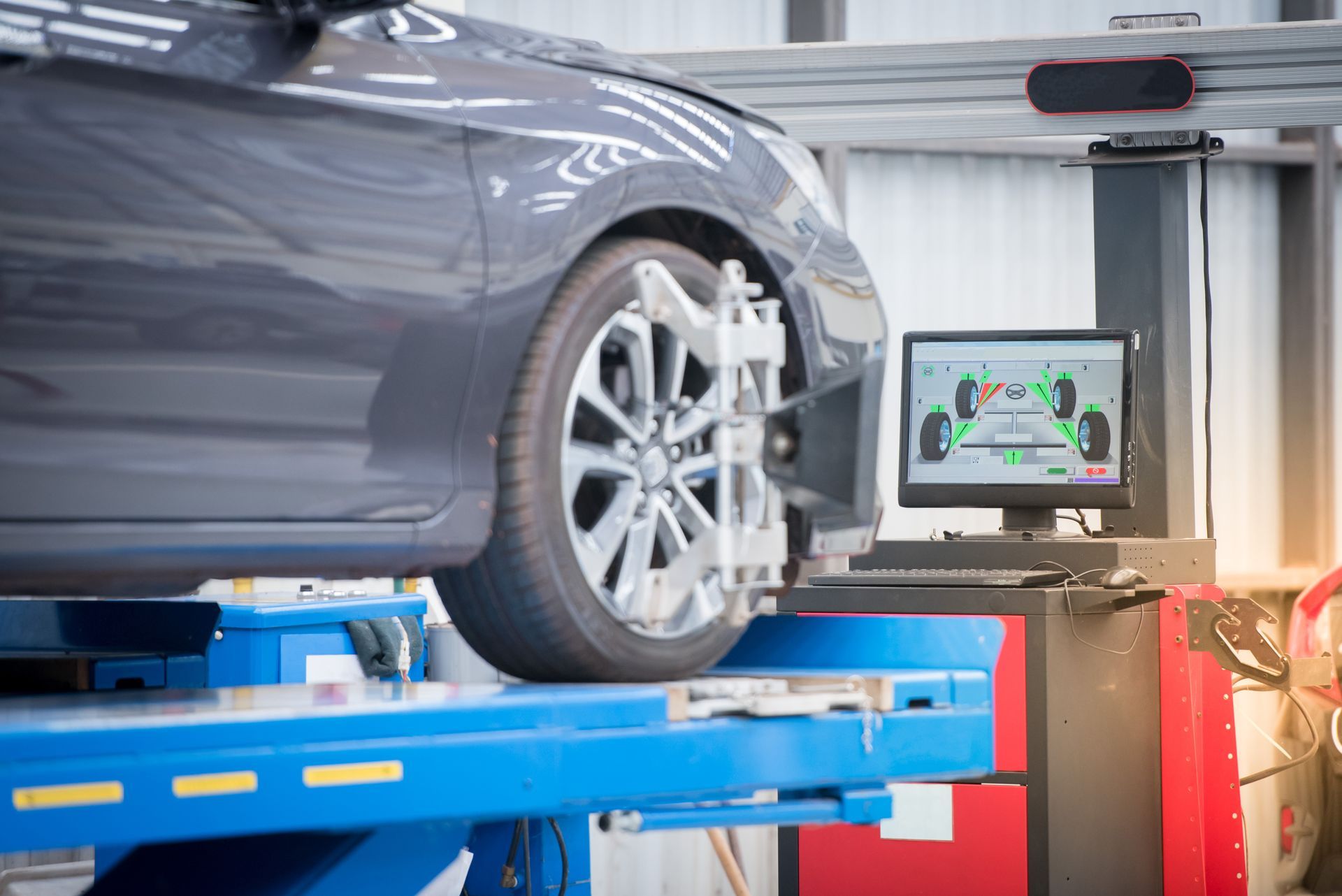
Ride height affects more than appearance. It changes alignment angles and how the tires meet the road. If the vehicle is no longer sitting the way it should, the tires may start wearing unevenly, and the steering may feel off-center. An inspection can show whether the issue is a worn part, damaged mount, weak spring, or something else in the suspension.
Loose Parts Create Noise And Steering Changes
Clunks, rattles, pops, and knocking sounds over bumps often indicate looseness in the suspension or steering system. Worn sway bar links, ball joints, control arm bushings, strut mounts, or tie rods can all make noise as the vehicle moves.
Noise is not the only concern. A loose part can also change steering feel. The car may wander, pull, or need constant correction on the highway. It may still be drivable, but that does not mean it is safe to ignore. Steering and suspension looseness can affect how quickly the vehicle responds when you need control.
Tire Wear Shows The Pattern
Tires often reveal suspension problems before drivers realize how much has changed. Uneven wear, cupping, feathering, or one edge wearing faster than the rest can all point toward worn shocks, struts, bushings, ball joints, or alignment problems.
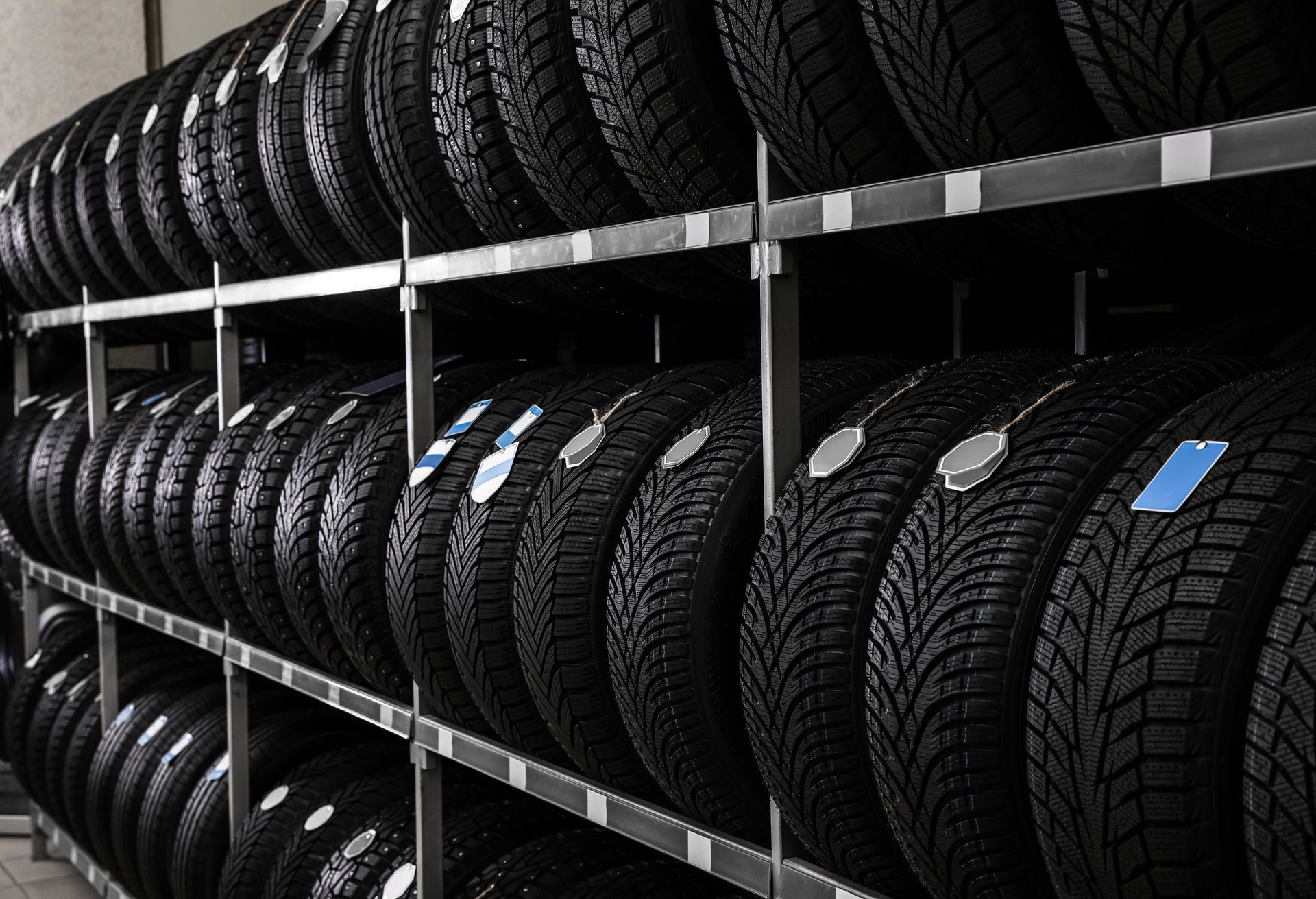
Replacing tires without checking the suspension can waste money. If the worn part is still there, the new tires can start wearing the same way. That is why regular maintenance should include tire wear and pressure checks, and a close look at suspension parts when the tread pattern appears unusual.
Braking And Cornering Feel Different
Suspension wear can change the way the vehicle behaves when braking or turning. Weak shocks or struts can let the vehicle nose-dive more during stops. Worn bushings can allow extra movement when weight shifts. Loose steering or suspension parts can make the vehicle feel less stable during quick turns or lane changes.
Drivers sometimes blame the brakes or tires first, and those parts may be involved. Still, suspension control plays a big role in how the vehicle reacts under load. If the car feels unsettled during braking, leans more in turns, or feels less secure on rough roads, the suspension deserves a closer look.
Why Waiting Lets Wear Spread
Suspension parts are connected, so one worn part can make others work harder. A bad shock can create tire cupping. A worn bushing can affect alignment. A loose ball joint can stress nearby steering and suspension parts. Over time, the repair can grow beyond the first failed component.
The best time to address suspension wear is when the symptoms are still minor. A faint clunk, uneven tire wear, or a ride that feels different can all be early clues. Waiting until the car feels unsafe usually means the system has been struggling for a while.
Get Suspension Repair In New Port Richey, FL, With Precision Tires & Auto
If your car is clunking, bouncing, pulling, wearing tires unevenly, or feeling less controlled than it used to, our New Port Richey, FL, team can check the suspension and steering system to find the cause.